Hazardous Waste Disposal
Hazardous waste disposal for chemicals and process residues that need accurate classification and controlled handling.
View service Call us0333 533 0162
Request a quote
Call us0333 533 0162
Request a quote
Chemical waste collection and disposal
We collect and dispose of chemical waste from laboratories, workshops, stores and industrial sites. Collections range from routine unwanted stock to mixed residues, damaged containers and difficult materials. Each load is matched to a suitable authorised facility before movement.
About this service
Complete the form and we will get back to you.
Hazardous waste disposal for chemicals and process residues that need accurate classification and controlled handling.
View serviceClinical waste disposal for healthcare premises where different waste streams need separate containment and treatment.
View serviceA product label tells you what was supplied, not always what is left after use. We consider the original product, the process that produced the waste, contamination and the condition of the container before deciding how it should be handled.
Chemical waste services
We handle routine chemical waste collections, one-off clearances and difficult materials that need further identification. View the services below or contact us to discuss what needs removing.
Handling and safety
Incompatible materials are kept separate, damaged packaging is dealt with appropriately and uncertain contents are not treated as known waste. The collection method follows the material and its condition.
Discuss the serviceWaste needing attention
Old stock, damaged containers and unidentified mixtures need more care than a routine collection. We establish what can be moved safely and what needs further identification or containment first.
Commercial and public premises
Collections often take place while a site is still operating. We consider storage, access and nearby activity so the waste can be removed without losing control of the material.
Chemical Waste Disposal
Damaged or unsuitable packaging may need additional containment before collection, and incompatible materials must remain separate. We explain any preparation needed for safe movement and to confirm that the receiving facility can accept the waste.
How the service works
We identify the waste, check how it is stored, confirm an authorised destination and collect it under the appropriate movement documentation. If the material differs from the description, that is resolved before it moves.
We establish what the material is and what evidence is needed to classify it.
Packaging, condition and compatibility are reviewed before movement.
The receiving facility is matched to the waste and its treatment needs.
The collection is completed with the movement paperwork required for the waste.
Guidance
Used chemicals, mixed residues and contaminated packaging do not always follow the same disposal method as the original product. Our guidance explains the distinctions that matter.
COSHH waste disposal for substances and contaminated materials arising from workplace use of hazardous chemicals.
Read guidanceAerosol disposal for pressurised cans containing paint, cleaners, lubricants and other products.
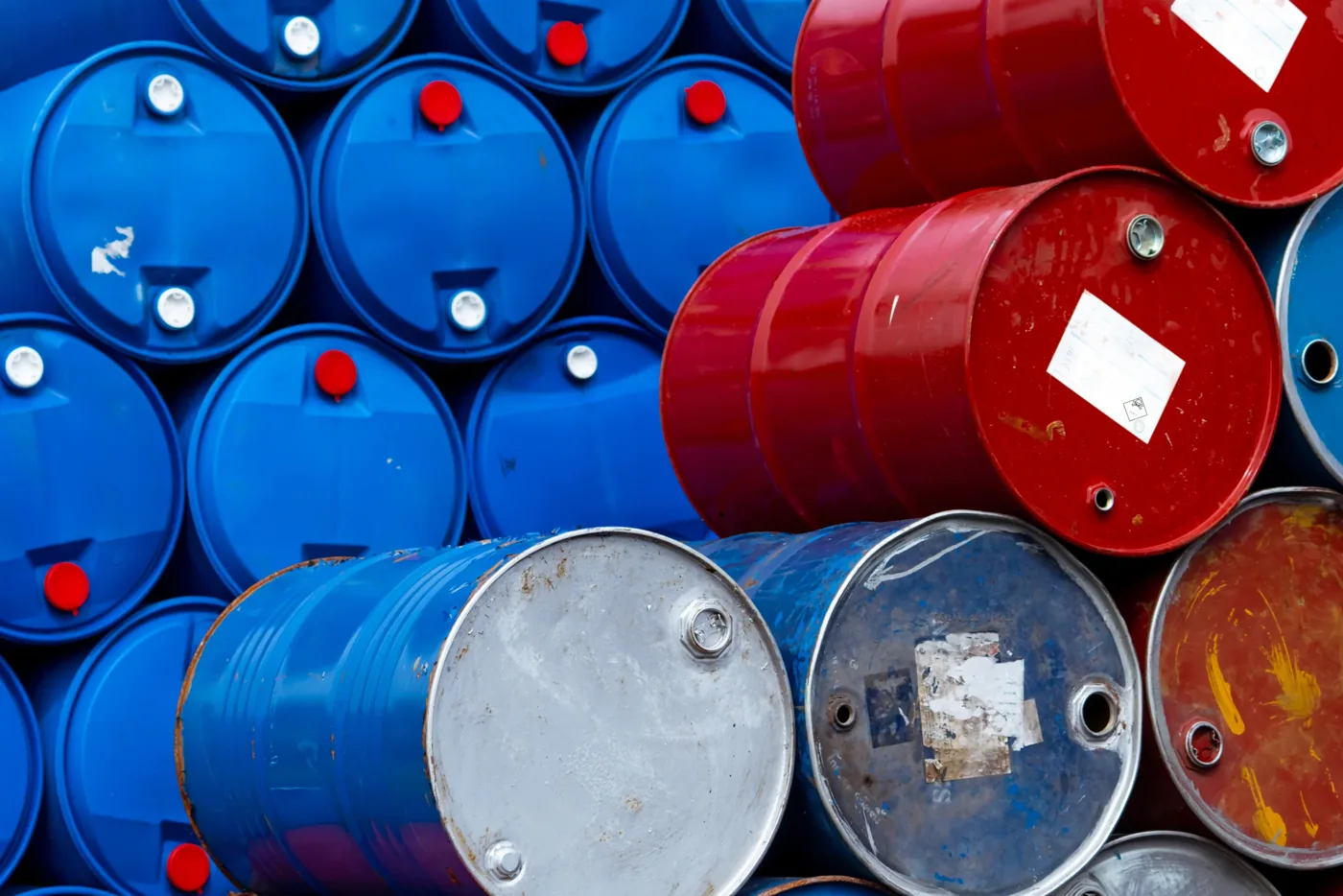
Read guidanceChemical drum disposal for stored chemicals, process mixtures and drums containing residual material.
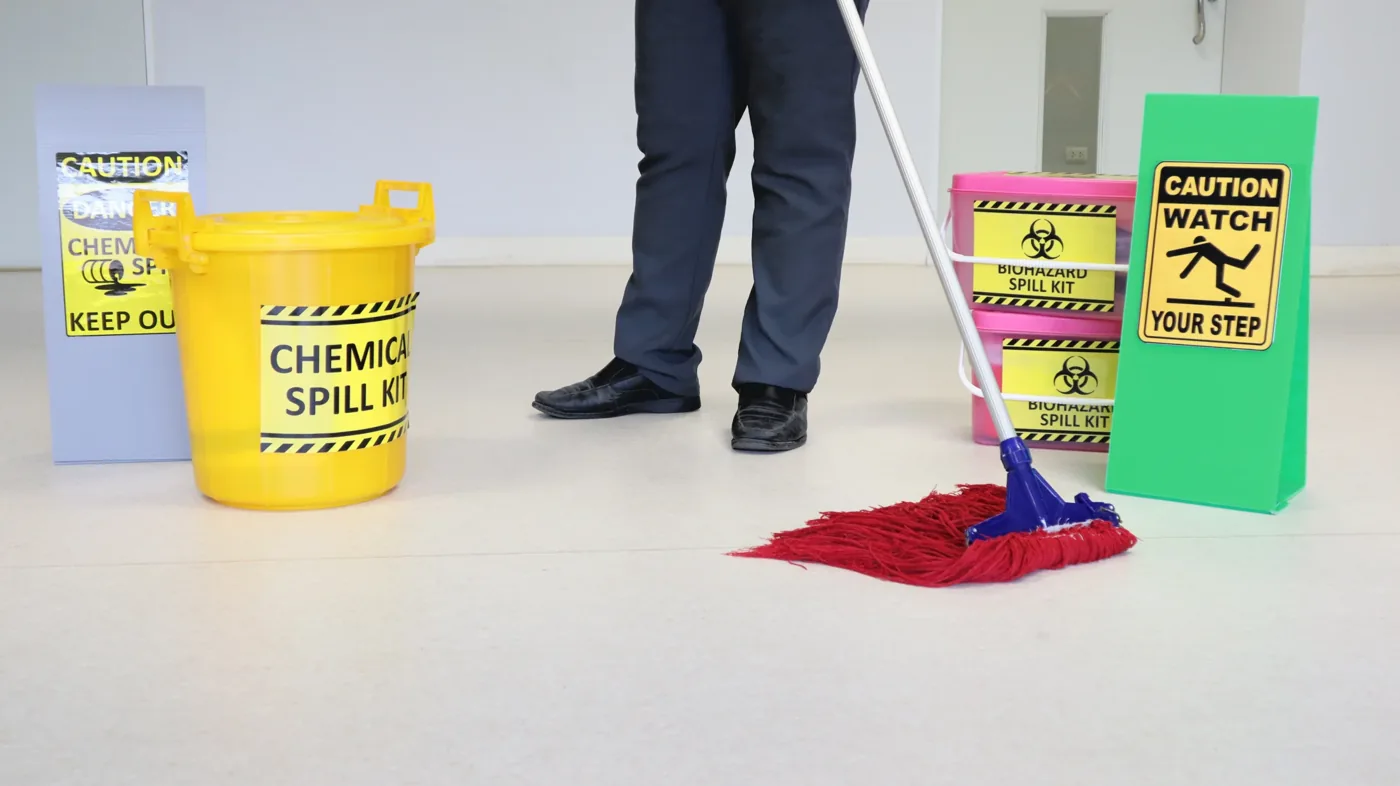
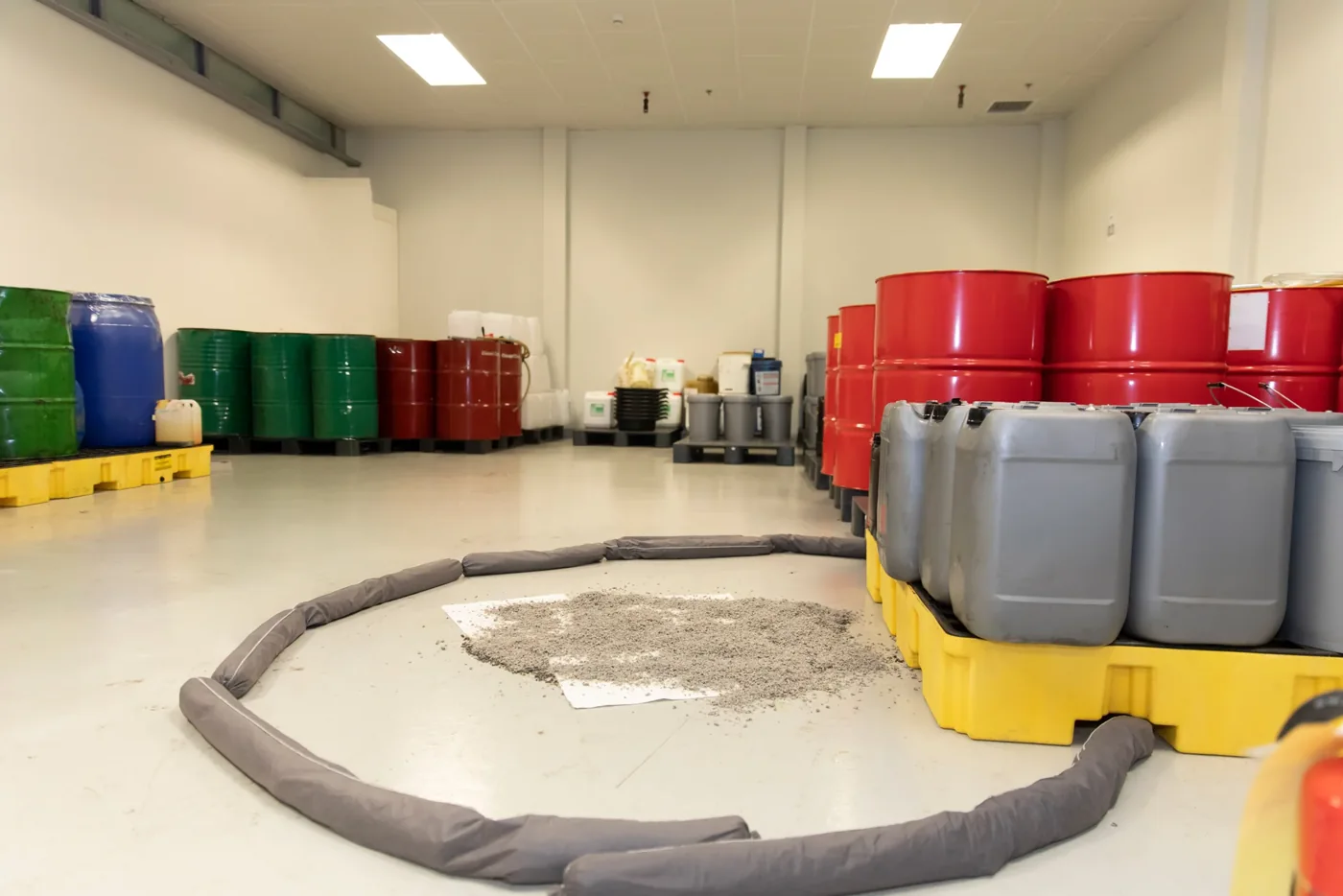
Read guidanceChemical spill cleanup for contained incidents and the contaminated waste left after the immediate danger is controlled.
Read guidanceChemical Waste Disposal collects unwanted chemicals, process residues and contaminated materials from laboratories, workshops and other commercial premises. The original product, how it was used and the condition of the material can all affect the way the waste is handled. We use that information to establish the waste description, suitable containment and an authorised destination. Unknown contents, damaged containers and unusual mixtures are kept separate until they can be assessed properly. Customers are told what preparation is needed and why, whether the job is a small store clearance or a larger industrial collection.
Questions about chemical waste disposal
Common questions about chemical waste collection and disposal.
Yes, provided each waste is identified, suitably packaged and kept separate where necessary. Different materials may still need different handling or destinations.
It needs further identification before routine collection. Keep the material separate until there is enough information to describe and handle it properly.
No. Depending on the composition, suitable options may include recovery, treatment or disposal at an authorised facility.
No. If there is an active fire, uncontrolled release or immediate danger, follow the site's emergency procedures and contact the emergency services where appropriate.
A contained chemical spill can leave liquid waste, used absorbents and contaminated debris. Learn how to describe and separate these materials before removal.
Read article: How Should a Business Manage Waste After a Contained Chemical Spill?A rejected hazardous waste load creates specific responsibilities for the consignee, carrier and producer. Understand how the rejection is recorded and the permitted onward routes.
Read article: What Happens to Hazardous Waste After a Receiving Site Rejects It?A partly empty chemical drum can contain both waste liquid and contaminated packaging. Understand why the residue, drum condition and collection access all matter.
Read article: Part-Filled Chemical Drums: Why Residues Change Disposal